
How to travel with confidence in a world of what-ifs

Nearly half of UK adults[CN1.1] say travelling abroad feels more stressful than it did last year. Between longer border queues, rising holiday costs and changing world events, travellers have more to think about before they go. But more planning doesn’t have to mean less adventure. With a few quick checks and travel insurance that suits your trip, you can still Dream Big and stay sure.
What’s behind the travel confidence gap?
According to our research, many people still want to travel, but they’re taking a little more time to prepare before they book.
We found:
- 49% of UK adults feel more stressed about travelling abroad compared to last year.
- 44% say longer airport or border delays would make them reconsider travelling abroad this summer.
- 46% are concerned that the EU’s Entry/Exit System (EES) could lead to longer queues or delays when travelling to Europe.
- 21% are more likely to choose a cheaper holiday or destination because of the cost of travel.
- 17% are more worried about the financial impact if their holiday is cancelled, delayed or disrupted.
- 15% say they would struggle to cover major extra costs if something went wrong while travelling.
- 15% say they are checking their travel insurance more carefully before travelling.
Staysure customer enquiry data also shows what people are asking about in real life. Middle East information became a frequent customer question theme in May, with travellers asking about destination cover, official travel advice, Dubai transits, flight disruption and what could happen if official travel advice changed.
That tells us something important: travel confidence isn’t about ignoring what could go wrong. It’s about knowing what to check, who to contact and what support you have in place before you board your flight.
How costs are shaping holiday choices
Our research also shows that cost is changing how some people plan their holidays. One in five UK adults say they’re more likely to choose a cheaper holiday destination because of the cost of travel. For some travellers, that may mean swapping far-flung plans for adventures closer to home.
Between March and May 2026, Europe accounted for 72% to 75% of annual multi-trip policy sales, compared with 70% to 74% over the same period last year. If your plans are leaning that way too, take a look at travel insurance for Europe.

5 ways to travel with confidence
Check official travel advice before you book and before you depart
Start with the latest Foreign, Commonwealth & Development Office (FCDO) travel advice for your destination. Advice can change, especially when world events move quickly, so it’s worth checking more than once.
Look for guidance on entry rules, local laws, safety updates, health advice, travel insurance and any warnings about areas you plan to visit.
Top tip: If you’re transiting through another country, check advice for that stopover too — not just your final destination.
Give yourself more time for airport and border checks
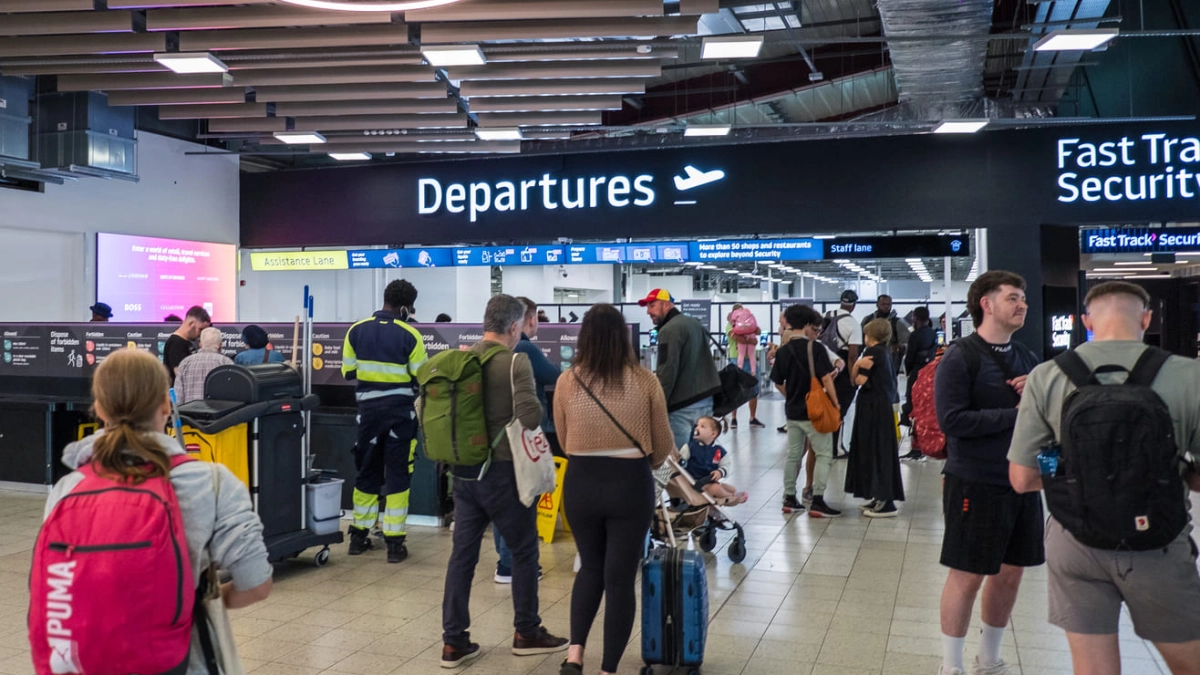
Border checks are one of the biggest concerns in our research. Almost half of UK adults are concerned that the EU’s Entry/Exit System could lead to longer queues or delays when travelling to Europe.
The new system will change how British travellers register when entering the Schengen area, using digital screening such as fingerprints and facial images. That doesn’t mean every journey will face long delays, but it does mean giving yourself a little more time to go through border checks, just in case.
Before you go, check your airline’s recommended airport arrival time. If you’re booking connecting flights through European airports, a longer layover could make the journey feel less stressful.
Top tip: If you’re planning a European break, check whether your destination uses the Entry/Exit System. Some European destinations, such as Cyprus, Turkey, Montenegro and Albania, are outside the Schengen area.
Know who to contact first if plans change
It’s good to know who to reach out to first when travel plans wobble.
- If your flight is cancelled, speak to your airline first.
- If you booked a holiday through a tour operator, contact them first in case of disruptions, delays, or cancellations.
- If you become ill or injured abroad, contact your travel insurer provider’s emergency support team.
Travel insurance can offer valuable financial protection, like covering out-of-pocket expenses that your airline or tour operator won't reimburse, and it’s ready to step in if your first port of call fails.
Top tip: Save emergency, family and travel-related phone numbers in your mobile and keep a paper copy in your hand luggage.
Match your cover to the trip you’re actually taking
A weekend in Lisbon, a cruise through the Greek islands and a long-haul tour with multiple stopovers all come with different details to think about. Your travel insurance should reflect your destination, trip cost, health, activities and the risks you’re most concerned about.
Before you travel, check your policy wording for:
- cancellation cover
- emergency medical and repatriation cover
- baggage cover
- cover for booked activities or excursions
- whether your destination and any stopovers are listed correctly
- what to do if official travel advice changes
Staysure sales data suggests some travellers are already taking extra steps to prepare. Uptake of Staysure’s Travel Disruption Extension rose to 10% of sales in March and April 2026, compared with 7% in the same months last year. In May, uptake stayed higher year on year at 9%, compared with 6% in May 2025.
That suggests some travellers aren’t just worrying about possible disruption — they’re actively preparing for it.
Top tip: Buy your policy right after booking your trip. Travel insurance can’t be backdated, so leaving it to the last minute means you won’t be protected during the run-up to your holiday.
Declare your pre-existing medical conditions
If you’re travelling with a pre-existing medical condition, be sure to declare it when buying your travel insurance so your policy can step in if you have a flare-up abroad.
Staysure covers over 1,300 pre-existing medical conditions,*[CN2.1] and all ages, and up to 97% of customers can get travel insurance with us.
By being honest about your medical history and declaring any medications, consultations, treatments, symptoms, diagnoses or investigations over the last two years, you can explore knowing we’ll be there when you need us most.
Top tip: If you’re taking medication with you, keep it in your hand luggage, along with a copy of your prescription and check the rules for taking your medicine into the country you’re visiting.

Your pre-travel confidence checklist
Before going on your next adventure, check:
- the latest official travel advice for your destination and stopovers
- passport validity and visa requirements
- entry rules, including the Entry/Exit System where relevant
- airline, airport and holiday provider updates before departure
- your travel insurance policy wording
- whether all your pre-existing medical conditions have been declared
- who to contact first if plans change
- that you’ve saved your policy details and emergency contact numbers
- whether you have digital and paper copies of key travel documents
Explore worry-free with Staysure
The most confident travellers won’t necessarily have the simplest journeys. They’re the ones who know what to check before they travel, who to contact if plans change and what support they have in place while they’re away.
Staysure makes it easy to travel with confidence. We cover pre-existing medical conditions and all ages, emergency medical and repatriation expenses, stolen baggage and cancellations, and more. We also offer 24/7 emergency support abroad, and 24/7 free access to an English-speaking doctor abroad with Travel Doctor.**
*Subject to screening. See our policy documents for full details.
**Travel Doctor is powered by Air Doctor. Up to 3 appointments per insured person, per policy. Geographical restrictions and T&Cs apply.
Nationally representative consumer research commissioned by Staysure, conducted among 2,000 UK adults aged 18+, between 29 May and 1 June 2026.
Staysure customer enquiry data is based on themes raised by customers in May 2026 and keyword tracking over the last 90 days.
Staysure sales data is based on internal sales reporting comparing March to May in 2025 and 2026.
%20(1).jpg?v=1755594426748)